| Q:1 | What are the differences between Get and post methods in form submitting. give the case where we can use get and we can use post methods? |
||||||||||||||||||||
| A:1 |
When to use GET or POST
The HTML 2.0 specification says, in section Form
Submission (and the HTML 4.0 specification repeats this with minor stylistic changes):
–>If the processing of a form is idempotent
(i.e. it has no lasting observable effect on the state of the world), then the form method should be GET. Many database searches have no visible side-effects and make ideal applications of query forms. – –>If the service associated with the processing of a form has side effects (for example, modification of a database or subscription to a service), the method should be POST. How the form data is transmitted?
quotation from the HTML 4.0 specification
–> If the method is “get” – -, the user agent
takes the value of action, appends a ? to it, then appends the form data set, encoded using the application/x-www-form-urlencoded content type. The user agent then traverses the link to this URI. In this scenario, form data are restricted to ASCII codes. –> If the method is “post” –, the user agent conducts an HTTP post transaction using the value of the action attribute and a message created according to the content type specified by the enctype attribute. Quote from CGI FAQ
Firstly, the the HTTP protocol specifies
differing usages for the two methods. GET requests should always be idempotent on the server. This means that whereas one GET request might (rarely) change some state on the Server, two or more identical requests will have no further effect.
This is a theoretical point which is also good
advice in practice. If a user hits “reload” on his/her browser, an identical request will be sent to the server, potentially resulting in two identical database or guestbook entries, counter increments, etc. Browsers may reload a GET URL automatically, particularly if cacheing is disabled (as is usually the case with CGI output), but will typically prompt the user before re-submitting a POST request. This means you’re far less likely to get inadvertently-repeated entries from POST.
GET is (in theory) the preferred method for
idempotent operations, such as querying a database, though it matters little if you’re using a form. There is a further practical constraint that many systems have built-in limits to the length of a GET request they can handle: when the total size of a request (URL+params) approaches or exceeds 1Kb, you are well-advised to use POST in any case.
I would prefer POST when I don’t want the status to
be change when user resubmits. And GET when it does not matter. |
||||||||||||||||||||
| Q:2 | Who is the father of PHP and explain the changes in PHP versions? |
||||||||||||||||||||
| A:2 | Rasmus Lerdorf is known as the father of PHP.PHP/FI 2.0 is an early and no longer supported version of PHP. PHP 3 is the successor to PHP/FI 2.0 and is a lot nicer. PHP 4 is the current generation of PHP, which uses the Zend engine under the hood. PHP 5 uses Zend engine 2 which, among other things, offers many additionalOOP features |
||||||||||||||||||||
| Q:3 | How can we submit a form without a submit button? | ||||||||||||||||||||
| A:3 | The main idea behind this is to use Java script submit() function in order to submit the form without explicitly clicking any submit button. You can attach the document.formname.submit() method to onclick, onchange events of different inputs and perform the form submission. you can even built a timer function where you can automatically submit the form after xx seconds once the loading is done (can be seen in online test sites). |
||||||||||||||||||||
| Q:4 | In how many ways we can retrieve the data in the result set of MySQL using PHP? |
||||||||||||||||||||
| A:4 | You can do it by 4 Ways1. mysql_fetch_row. 2. mysql_fetch_array 3. mysql_fetch_object 4. mysql_fetch_assoc |
||||||||||||||||||||
| Q:5 | What is the difference between mysql_fetch_object and mysql_fetch_array? |
||||||||||||||||||||
| A:5 | mysql_fetch_object() is similar tomysql_fetch_array(), with one difference - an object is returned, instead of an array. Indirectly, that means that you can only access the data by the field names, and not by their offsets (numbers are illegal property names). |
||||||||||||||||||||
| Q:6 | What is the difference between $message and $$message? | ||||||||||||||||||||
| A:6 | It is a classic example of PHP’s variable variables. take the following example.$message = “Mizan”;$$message = “is a moderator of PHPXperts.”;$message is a simple PHP variable that we are used to. But the $$message is not a very familiar face. It creates a variable name $mizan with the value “is a moderator of PHPXperts.” assigned. break it like this${$message} => $mizanSometimes it is convenient to be able to have variable variable names. That is, a variable name which can be set and used dynamically. |
||||||||||||||||||||
| Q:7 | How can we extract string ‘abc.com ‘ from a string ‘http://info@abc.com’ using regular expression of PHP? |
||||||||||||||||||||
| A:7 | preg_match(“/^http:\/\/.+@(.+)$/”,’http://info@abc.com’,$found); echo $found[1]; |
||||||||||||||||||||
| Q:8 | How can we create a database using PHP and MySQL? | ||||||||||||||||||||
| A:8 | We can create MySQL database with the use of mysql_create_db(“Database Name”) |
||||||||||||||||||||
| Q:9 | What are the differences between require and include, include_once and require_once? |
||||||||||||||||||||
| A:9 |
The include() statement includes
and evaluates the specified file.The documentation below also applies to require(). The two constructs are identical in every way except how they handle failure. include() produces a Warning while require() results in a Fatal Error. In other words, use require() if you want a missing file to halt processing of the page. include() does not behave this way, the script will continue regardless.
The include_once()
require_once()statement includes and evaluates the specified file during the execution of the script. This is a behavior similar to the include() statement, with the only difference being that if the code from a file has already been included, it will not be included again. As the name suggests, it will be included just once.include_once() should be used in cases where the same file might be included and evaluated more than once during a particular execution of a script, and you want to be sure that it is included exactly once to avoid problems with function redefinitions, variable value reassignments, etc. should be used in cases where the same file might be included and evaluated more than once during a particular execution of a script, and you want to be sure that it is included exactly once to avoid problems with function redefinitions, variable value reassignments, etc. |
||||||||||||||||||||
| Q:10 | Can we use include (”abc.PHP”) two times in a PHP page “makeit.PHP”? |
||||||||||||||||||||
| A:10 | Yes we can use include() more than one time in any page though it is not a very good practice. |
||||||||||||||||||||
| Q:11 | What are the different tables present in MySQL, which type of table is generated when we are creating a table in the following syntax: create table employee (eno int(2),ename varchar(10)) ? |
||||||||||||||||||||
| A:11 | Total 5 types of tables we can create 1. MyISAM 2. Heap 3. Merge 4. INNO DB 5. ISAM MyISAM is the default storage engine as of MySQL 3.23 and as a result if we do not specify the table name explicitly it will be assigned to the default engine. |
||||||||||||||||||||
| Q:12 | Functions in IMAP, POP3 AND LDAP? | ||||||||||||||||||||
| A:12 | You can find these specific information in PHP Manual. | ||||||||||||||||||||
| Q:13 | How can I execute a PHP script using command line? | ||||||||||||||||||||
| A:13 | As of version 4.3.0, PHP supports a new SAPI type (Server Application Programming Interface) named CLI which means Command Line Interface. Just run the PHP CLI (Command Line Interface) program and provide the PHP script file name as the command line argument. For example, “php myScript.php”, assuming “php” is the command to invoke the CLI program. Be aware that if your PHP script was written for the Web CGI interface, it may not execute properly in command line environment. |
||||||||||||||||||||
| Q:14 | Suppose your Zend engine supports the mode <? ?> Then how can u configure your PHP Zend engine to support <?PHP ?> mode ? |
||||||||||||||||||||
| A:14 | In php.ini file: set short_open_tag=on to make PHP support |
||||||||||||||||||||
| Q:15 | Shopping cart online validation i.e. how can we configure Paypal, etc.? |
||||||||||||||||||||
| A:15 | We can find the detail documentation about different paypal integration process at the following site
|
||||||||||||||||||||
| Q:16 | What is meant by nl2br()? | ||||||||||||||||||||
| A:16 | Inserts HTML line breaks (<BR />) before all newlines in a string string nl2br (string); Returns string with ” inserted before all newlines. For example: echo nl2br(“god bless\n you”) will output “god bless <br /> you” to your browser. |
||||||||||||||||||||
| Q:17 | Draw the architecture of Zend engine? | ||||||||||||||||||||
| A:17 | The Zend Engine is the internal compiler and runtime engine used by PHP4. Developed by Zeev Suraski and Andi Gutmans, the Zend Engine is an abbreviation of their names. In the early days of PHP4, it worked as follows: 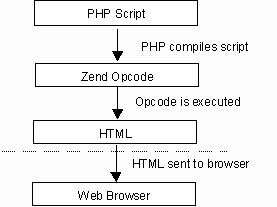 The PHP script was loaded by the Zend Engine and compiled into Zend The PHP script was loaded by the Zend Engine and compiled into Zendopcode. Opcodes, short for operation codes, are low level binary instructions. Then the opcode was executed and the HTML generated sent to the client. The opcode was flushed from memory after execution.Today, there are a multitude of products and techniques to help you speed up this process. In the following diagram, we show the how modern PHP scripts work; all the shaded boxes are optional.  PHP Scripts are loaded into memory and compiled into Zend opcodes. PHP Scripts are loaded into memory and compiled into Zend opcodes. |
||||||||||||||||||||
| Q:18 | What are the current versions of apache, PHP, and MySQL? | ||||||||||||||||||||
| A:18 | As of February, 2007 the current versions arePHP: php5.2.1 MySQL: MySQL 5.2 Apache: Apache 2.2.4Note: visit www.php.net, http://dev.mysql.com/downloads/mysql/, www.apache.org to get current versions. |
||||||||||||||||||||
| Q:19 | What are the reasons for selecting lamp (Linux, apache, MySQL, PHP) instead of combination of other software programs, servers and operating systems? |
||||||||||||||||||||
| A:19 | All of those are open source resource. Security of Linux is very very more than windows. Apache is a better server that IIS both in functionality and security. MySQL is world most popular open source database. PHP is more faster that asp or any other scripting language. |
||||||||||||||||||||
| Q:20 | How can we encrypt and decrypt a data present in a MySQL table using MySQL? |
||||||||||||||||||||
| A:20 | AES_ENCRYPT () and AES_DECRYPT () | ||||||||||||||||||||
| Q:21 | How can we encrypt the username and password using PHP? | ||||||||||||||||||||
| A:21 | The functions in this section perform encryption and decryption, and compression and uncompression:
|
||||||||||||||||||||
| Q:22 | What are the features and advantages of object-oriented programming? |
||||||||||||||||||||
| A:22 | One of the main advantages of OO programming is its ease of modification; objects can easily be modified and added to a system there by reducing maintenance costs. OO programming is also considered to be better at modeling the real world than is procedural programming. It allows for more complicated and flexible interactions. OO systems are also easier for non-technical personnel to understand and easier for them to participate in the maintenance and enhancement of a system because it appeals to natural human cognition patterns. For some systems, an OO approach can speed development time since many objects are standard across systems and can be reused. Components that manage dates, shipping, shopping carts, etc. can be purchased and easily modified for a specific system |
||||||||||||||||||||
| Q:23 | What are the differences between procedure-oriented languages and object-oriented languages? |
||||||||||||||||||||
| A:23 | Traditional programming has the following characteristics:Functions
are written sequentially, so that a change in programming can affect any code that follows it. If a function is used multiple times in a system (i.e., a piece of code that manages the date), it is often simply cut and pasted into each program (i.e., a change log, order function, fulfillment system, etc). If a date change is needed (i.e., Y2K when the code needed to be changed to handle four numerical digits instead of two), all these pieces of code must be found, modified, and tested. Code (sequences of computer instructions) and data (information on which the instructions operates on) are kept separate. Multiple sets of code can access and modify one set of data. One set of code may rely on data in multiple places. Multiple sets of code and data are required to work together. Changes made to any of the code sets and data sets can cause problems through out the system.Object-Oriented programming takes a radically different approach:Code and data are merged into one indivisible item – an object (the term “component” has also been used to describe an object.) An object is an abstraction of a set of real-world things (for example, an object may be created around “date”) The object would contain all information and functionality for that thing (A date object it may contain labels like January, February, Tuesday, Wednesday. It may contain functionality that manages leap years, determines if it is a business day or a holiday, etc., See Fig. 1). Ideally, information about a particular thing should reside in only one place in a system. The information within an object is encapsulated (or hidden) from the rest of the system. A system is composed of multiple objects (i.e., date function, reports, order processing, etc., See Fig 2). When one object needs information from another object, a request is sent asking for specific information. (for example, a report object may need to know what today’s date is and will send a request to the date object) These requests are called messages and each object has an interface that manages messages. OO programming languages include features such as “class”, “instance”, “inheritance”, and “polymorphism” that increase the power and flexibility of an object. |
||||||||||||||||||||
| Q:24 | What is the use of friend function? | ||||||||||||||||||||
| A:24 | Sometimes a function is best shared among a number of different classes. Such functions can be declared either as member functions of one class or as global functions. In either case they can be set to be friends of other classes, by using a friend specifier in the class that is admitting them. Such functions can use all attributes of the class which names them as a friend, as if they were themselves members of that class. A friend declaration is essentially a prototype for a member function, but instead of requiring an implementation with the name of that class attached by the double colon syntax, a global function or member function of another class provides the match. |
||||||||||||||||||||
| Q:25 | What are the differences between public, private, protected, static, transient, final and volatile? |
||||||||||||||||||||
| A:25 | Public: Public declared items can be accessed everywhere. Protected: Protected limits access to inherited and parent classes (and to the class that defines the item). Private: Private limits visibility only to the class that defines the item. Static: A static variable exists only in a local function scope, but it does not lose its value when program execution leaves this scope. Final: Final keyword prevents child classes from overriding a method by prefixing the definition with final. If the class itself is being defined final then it cannot be extended. transient: A transient variable is a variable that may not be serialized. volatile: a variable that might be concurrently modified by multiple threads should be declared volatile. Variables declared to be volatile will not be optimized by the compiler because their value can change at any time. |
||||||||||||||||||||
| Q:26 | What are the different types of errors in PHP? | ||||||||||||||||||||
| A:26 | Three are three types of errors:1. Notices: These are trivial, non-critical errors that PHP encounters while executing a script – for example, accessing a variable that has not yet been defined. By default, such errors are not displayed to the user at all – although, as you will see, you can change this default behavior.2. Warnings: These are more serious errors – for example, attempting to include() a file which does not exist. By default, these errors are displayed to the user, but they do not result in script termination.3. Fatal errors: These are critical errors – for example, instantiating an object of a non-existent class, or calling a non-existent function. These errors cause the immediate termination of the script, and PHP’s default behavior is to display them to the user when they take place. |
||||||||||||||||||||
| Q:27 | What is the functionality of the function strstr and stristr? | ||||||||||||||||||||
| A:27 | strstr:
Returns part of haystack
If needle is not astring from the first occurrence of needle to the end of haystack.If needle is not found, returns FALSE. string, it is converted to an integer and applied as the ordinal value of a character.
This function is case-sensitive. For
case-insensitive searches, use stristr(). |
||||||||||||||||||||
| Q:28 | What are the differences between PHP 3 and PHP 4 and PHP 5? | ||||||||||||||||||||
| A:28 | Please read the release notes at http://www.php.net. |
||||||||||||||||||||
| Q:29 | How can we convert asp pages to PHP pages? | ||||||||||||||||||||
| A:29 | there are lots of tools available for asp to PHP conversion. you can search Google for that. the best one is available athttp://asp2php.naken.cc./ |
||||||||||||||||||||
| Q:30 | What is the functionality of the function htmlentities? | ||||||||||||||||||||
| A:30 | Convert all applicable characters to HTML entities This function is identical to htmlspecialchars() in all ways, except with htmlentities(), all characters which have HTML character entity equivalents are translated into these entities. |
||||||||||||||||||||
| Q:31 | How can we get second of the current time using date function? |
||||||||||||||||||||
| A:31 | $second = date(“s”); | ||||||||||||||||||||
| Q:32 | How can we convert the time zones using PHP? | ||||||||||||||||||||
| A:32 | By using date_default_timezone_get and date_default_timezone_set function on PHP 5.1.0 <?php
// Discover what 8am in Tokyo relates to on the East Coast of the US
// Set the default timezone to Tokyo time:
date_default_timezone_set('Asia/Tokyo');
// Now generate the timestamp for that particular timezone, on Jan 1st, 2000
$stamp = mktime(8, 0, 0, 1, 1, 2000);
// Now set the timezone back to US/Eastern
date_default_timezone_set('US/Eastern');
// Output the date in a standard format (RFC1123), this will print:
// Fri, 31 Dec 1999 18:00:00 EST
echo '<p>', date(DATE_RFC1123, $stamp) ,'</p>';?>
|
||||||||||||||||||||
| Q:33 | What is meant by urlencode and urldocode? | ||||||||||||||||||||
| A:33 | URLencode returns a string in which all non-alphanumeric characters except -_. have been replaced with a percent (%) sign followed by two hex digits and spaces encoded as plus (+) signs. It is encoded the same way that the posted data from a WWW form is encoded, that is the same way as in application/x-www-form-urlencoded media type.
urldecode decodes any %##
encoding in the given string. |
||||||||||||||||||||
| Q:34 | What is the difference between the functions unlink and unset? |
||||||||||||||||||||
| A:34 | unlink() deletes the given file from the file system. unset() makes a variable undefined. |
||||||||||||||||||||
| Q:35 | How can we register the variables into a session? | ||||||||||||||||||||
| A:35 | $_SESSION[’name’] = “Mizan”; | ||||||||||||||||||||
| Q:36 | How can we get the properties (size, type, width, height) of an image using PHP image functions? |
||||||||||||||||||||
| A:36 | To know the Image type use exif_imagetype () function To know the Image size use getimagesize () function To know the image width use imagesx () function To know the image height use imagesy() function t |
||||||||||||||||||||
| Q:37 | How can we get the browser properties using PHP? | ||||||||||||||||||||
| A:37 | By using |
||||||||||||||||||||
| Q:38 | What is the maximum size of a file that can be uploaded using PHP and how can we change this? |
||||||||||||||||||||
| A:38 | By default the maximum size is 2MB. and we can change the following setup at php.iniupload_max_filesize = 2M |
||||||||||||||||||||
| Q:39 | How can we increase the execution time of a PHP script? | ||||||||||||||||||||
| A:39 | by changing the following setup at php.inimax_execution_time = 30 ; Maximum execution time of each script, in seconds |
||||||||||||||||||||
| Q:40 | How can we take a backup of a MySQL table and how can we restore it. ? |
||||||||||||||||||||
| A:40 | To backup: BACKUP TABLE tbl_name[,tbl_name…] TO ‘/path/to/backup/directory’ RESTORE TABLE tbl_name[,tbl_name…] FROM ‘/path/to/backup/directory’mysqldump: Dumping Table Structure and DataUtility to dump a database or a collection of database for backup or for transferring the data to another SQL server (not necessarily a MySQL server). The dump will contain SQL statements to create the table and/or populate the table. -t, –no-create-info Don’t write table creation information (the CREATE TABLE statement). -d, –no-data Don’t write any row information for the table. This is very useful if you just want to get a dump of the structure for a table! |
||||||||||||||||||||
| Q:41 | How can we optimize or increase the speed of a MySQL select query? |
||||||||||||||||||||
| A:41 |
|
||||||||||||||||||||
| Q:42 | How many ways can we get the value of current session id? | ||||||||||||||||||||
| A:42 | session_id() returns the session id for the current session. | ||||||||||||||||||||
| Q:43 | How can we destroy the session, how can we unset the variable of a session? |
||||||||||||||||||||
| A:43 | session_unregister — Unregister a global variable from the current session session_unset — Free all session variables |
||||||||||||||||||||
| Q:44 | How can we destroy the cookie? | ||||||||||||||||||||
| A:44 | Set the cookie in past. | ||||||||||||||||||||
| Q:45 | How many ways we can pass the variable through the navigation between the pages? |
||||||||||||||||||||
| A:45 |
|
||||||||||||||||||||
| Q:46 | What is the difference between ereg_replace() and eregi_replace()? |
||||||||||||||||||||
| A:46 | eregi_replace() function is identical to ereg_replace() except that this ignores case distinction when matching alphabetic characters.eregi_replace() function is identical to ereg_replace() except that this ignores case distinction when matching alphabetic characters. |
||||||||||||||||||||
| Q:47 | What are the different functions in sorting an array? | ||||||||||||||||||||
| A:47 | Sort(), arsort(), asort(), ksort(), natsort(), natcasesort(), rsort(), usort(), array_multisort(), and uksort(). |
||||||||||||||||||||
| Q:48 | How can we know the count/number of elements of an array? | ||||||||||||||||||||
| A:48 | 2 ways a) sizeof($urarray) This function is an alias of count() b) count($urarray) |
||||||||||||||||||||
| Q:49 | What is the PHP predefined variable that tells the What types of images that PHP supports? |
||||||||||||||||||||
| A:49 | Though i am not sure if this is wrong or not, With the exif extension you are able to work with image meta data. |
||||||||||||||||||||
| Q:50 | How can I know that a variable is a number or not using a JavaScript? |
||||||||||||||||||||
| A:50 | bool is_numeric ( mixed var) Returns TRUE if var is a number or a numeric string, FALSE otherwise.or use isNaN(mixed var)The isNaN() function is used to check if a value is not a number. |
||||||||||||||||||||
Monday, August 5, 2013
PHP Interview question

Subscribe to:
Post Comments (Atom)
No comments:
Post a Comment